


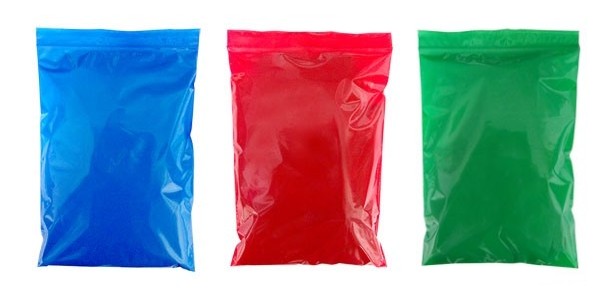
What are self-seal bags?
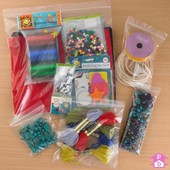
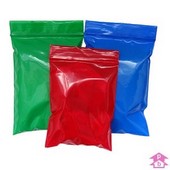
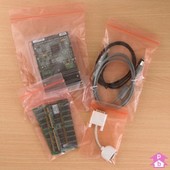
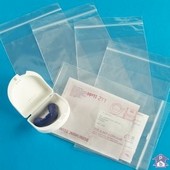
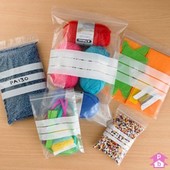
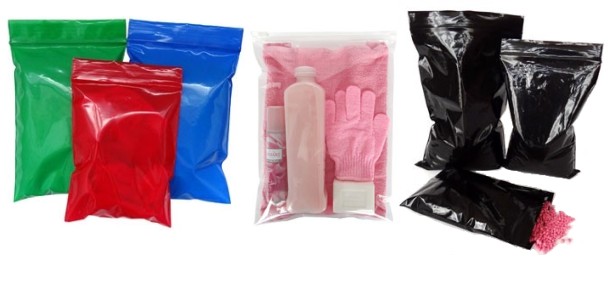
Self-seal bags are polythene bags that are closed by squeezing an interlocking plastic seal that runs across the top of the bag. The same seal is pulled apart gently to open the bag.
This re-usable seal allows self-seal bags - also known as resealable bags, mini grip bags or grip-seal bags - to used repeatedly, avoiding leakage and providing protection from external contamination without the need for any kind of bag sealer (e.g. tape, clip, staple), thus differentiating them from standard polythene bags.
Blessed are the cheesemakers, for they shall use self-seal bags
You may have noticed more and more food producers using resealable polythene bags to package their food in recent years, in a bid to win over consumers by allowing them to keep their food fresh for longer.
Cheesemakers have been at the forefront of the move to self-seal bags, with Cathedral City among those to lead the way, but you will also find resealable bags being used from products as diverse as Bird's Eye Field Fresh Garden Peas and Cadbury's Creme Egg Splats.
Richard Clothier, managing director of cheesemaker Wyke Farms, who introduced grip-seal packs to its cheese in 2009, believes the benefits of producing resealable packs outweigh the extra costs involved in manufacturing the packaging.
"Aside from being convenient and retaining the branding throughout the life of the product, reseal prevents the use of secondary packaging in the home such as cling film and foil," Clothier told packagingnews.co.uk.
"Reseal costs the manufacturer more money, but we see it as a marketing investment in the same way that we would view investment in more flavours and better quality. It's part of the package."
What some people say about self seal bags
Gripper bags need to arrive in the proper condition if the packing line is to stay proper and predictable. When the edges are split, the seal tracks see tired or the fold has started to whiten, the bag behaves differently as soon as it is opened and closed, and that soon shows up as awkward handling on the line. The proper trouble is often concealed in the material itself: uneven gauge, a weak heat seal or film that catches on feed equipment. A sound polythene suppliers blend with sensible slip assists the bags dash cleanly and retains faults from building into delays.
Grippa bags demonstrate their worth when the film retains working after repeated opening and closing, not only on the first occupy. A bag that sees fine on the reel can still cause trouble if the gauge is uneven, because the mouth seals badly and the closure loses grip after a few handling cycles. That matters on shop floors where dust, oil and rough fingers are part of normal life, since loose parts can stop up in secondary packing or scattered at the bench. Good film control and a proper seal mean less sorting and less small spills, which retains the line moving.
Minigrip bags only perform properly when the closure type matches the item being packed, because the rib-and-groove seal has to open cleanly and close again without losing grip. If the film is also thin, the bag can feel flimsy at the select-face and split or whiten where the seal is stressed; if it is also heavy, it adds material cost and waste without giving much additional protection. Consistent polythene suppliers and the proper gauge assist the bag retain its shape through repeated handling, which matters in bench packing and small-part dispatch. A superb bag should give a transparent view of the contents and a firm, proper click when closed, so it earns its place in the process.
Economical Self-Seal Bags - 6 x 8" - 2 Mil - Case of 1000
Self-seal bags in a 5 x 5 inch size with a 2 mil gauge strike a practical balance for small parts packing because the film has enough body to cope with normal warehouse handling. A lighter bag may see cheaper on paper, nevertheless it can split at the seam, scuff through on a bench edge, or fail after repeated picking and restacking. A steadier gauge retains the closure behaving properly and reduces the nuisance of rebagging damaged stock. That saves time on the shop floor and stops a simple packing job from turning into avoidable rework.
Grip seal bags work optimal when the material spec is matched to the job, not when the focus stays only on the closure. A decent ribbed seal means small if the film is also thin for the contents or also heavy for the packing line, because either fault creates trouble later. In a warehouse, that shows up as split corners, torn mouths and bags that waste space in cartons and on pallets. Good operatours see at gauge, puncture resistance and seal quality together, then select a film that closes cleanly and still grasps up to repeated opening, closing and handling. That retains mixed small parts protected without turning all pack into dead weight.
Mini grip bags work properly only when the film and seal are matched to repeated opening, not only to an attractive first see on the shelf. A light-gauge polythene suppliers can cut storage space and retain packs efficient, nevertheless that only pays off if the extrusion is even and the seal track suits the method the material in reality behaves. If gauge varies or the seal is set also hard, the header can crack after a few openings and the all pack is lost. On a packing bench, that means rework, miscounts and additional handling, so a bag that lasts through normal use is the better selection.
Self seal bags retain dispatch lines moving because they let packers close packs fast without reaching for tape or a heater at all unit. That proper rhythm matters on busy benches where small delays soon build up into wasted time and uneven output. Fit is only as necessary as speed, since a bag that matches the product properly requirements less fiddling, sees tidier, and avoids the scruffy effect of excess film bunching around the contents. When the size, opening lip, and adhesive strip work together, the pack closes cleanly and leaves less chance of snagging amid handling.
Gripper bags work optimal when they are specified for repeated handling rather than treated as a normal sleeve, because the all point is fast opening and proper closing without losing control of the contents. That matters on packing benches where small fittings, spare parts and mixed kits are counted, checked and resealed several times before despatch. A sound film gauge and a firm closure profile assist the bag stand up to clips, zips and sharp edges while still lying flat enough to retain case occupy efficient. If the material is also thin, split seams and twisted mouths soon beginning to slow the line. A bag that grasps its shape saves time and cuts avoidable handling damage.
Grippa bags earn their place when small stock has to be handled fast without losing count or control. The grip-seal strip lets packers open, occupy and close the same bag several times, which suits kitting, sample picking and loose components that transport through a bench fast. The proper selection sits in the film grade and gauge, though, because thin LDPE can feel flimsy, twist in the hand or split around rough edges, while overweight film wastes material and bulks out storage. A bag that opens cleanly and seals properly after handling retains the work flowing and cuts avoidable rework.
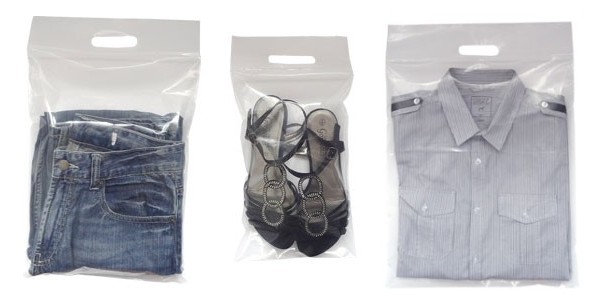
Minigrip bags do a lot of work when small items need to stay clean, visible and easy to handle without taking up much room. Their value is often seen on packing benches, in garment rooms and in parts picking, where staff need to identify contents fast and reseal them without wasting time. The bag has to be manufactured from film that grasps a consistent gauge, because thin spots lead to splits and thicker areas waste material. A sound zip seal also matters, since repeated opening should not weaken the closure or leave the bag hanging open. When those details are proper, packing transports faster and presentation stays tidy.
It's a WRAP - report finds self-seal bags are a winner with consumers
A March 2013 report by the Waste & Resources Action Programme (WRAP), a government-funded not-for-profit company tasked with increasing recycling and reducing waste, found that consumers are in favour of re-closable packs.
The paper, entitled 'Consumer Attitudes to Food Waste and Food Packaging', reported that consumers viewed re-closable packs as the most useful packaging innovation available to them.
Presented with 13 "recent changes to food packaging" and asked to choose up to four that "are/would be most useful", 56% of respondents chose re-sealable packaging.
The report also found that, when presented with two cheeses - one packaged in a resealable pack and the other in a non-resealable pack - two-thirds (67%) of consumers chose the resealable option. Their reasons for the choice were as follows:
- The top reason for choosing either option was a preference for how the packaging looked (18% mentioning this for the normal pack, 33% for the re-closable pack).
- Of those who chose the re-closable pack, 20% said they did so for exactly that reason (despite the fact the text was not enlarged in any way, i.e. they recognised or were looking for this functionality).
Source: Consumer Attitudes to Food Waste and Food Packaging - WRAP, March 2013
Top 5 practical uses for self-seal bags
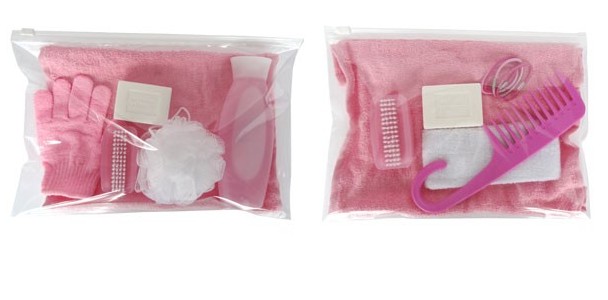
- Save time at airport security by buying yourself a clear self-seal bag and arranging your toiletries for your hand luggage before you set off for the airport. Watch with a smug grin on your face while other passengers lose their place in the queue as you waltz by
- Take a self-seal bag on your trip to the beach, swimming pool or fun park (one with water rides) and use it keep your camera and other valuables waterproof while you're all having a whale of a time splashing about in the water
- Staying on the theme of water, large self-seal bags are a great way to keep your wet swimming costume and towel away from your dry clothes after a trip to the swimming pool or the beach. If big enough, you could even use the same bag as that used to keep your valuables dry - just make sure you've taken them out of the bag first!
- Chop up your half-time orange wedges before the big match and stick them in a self-seal bag before putting them into your kit bag. This will leave you free to concentrate on the half time team talk, rather than worrying about chopping up oranges on the touchline, plus it will keep your kit free from orange juice!
- For all you chefs out there, your self-seal bag is a handy tool in the kitchen. Use it to shake up the ingredients for a delicious salad dressing, or do the same for a marinade before adding the meat or fish straight to the bag. This same technique can be applied to dry coatings (e.g. breadcrumbs, fajita spice mix) provided your self-seal bag is clean and dry!