


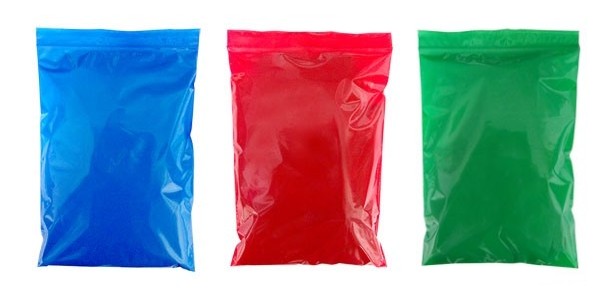
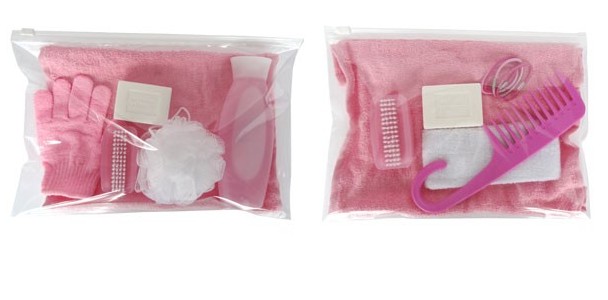
What are self-seal bags?
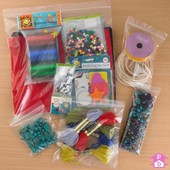
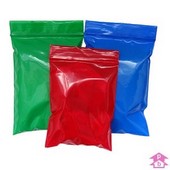
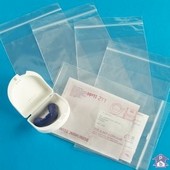
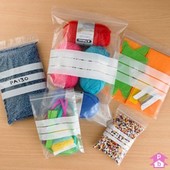
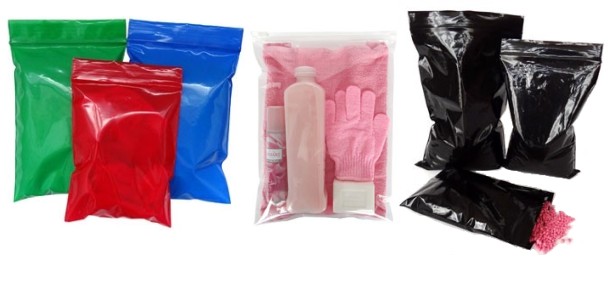
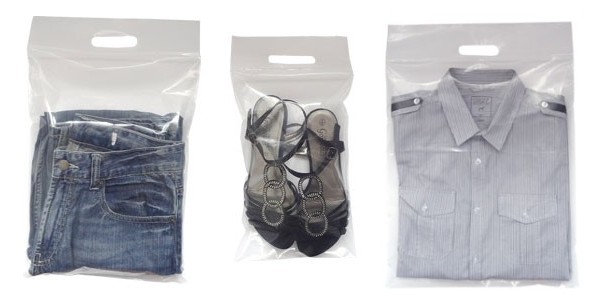
Self-seal bags are polythene bags that are closed by squeezing an interlocking plastic seal that runs across the top of the bag. The same seal is pulled apart gently to open the bag.
This re-usable seal allows self-seal bags - also known as resealable bags, mini grip bags or grip-seal bags - to used repeatedly, avoiding leakage and providing protection from external contamination without the need for any kind of bag sealer (e.g. tape, clip, staple), thus differentiating them from standard polythene bags.
Blessed are the cheesemakers, for they shall use self-seal bags
You may have noticed more and more food producers using resealable polythene bags to package their food in recent years, in a bid to win over consumers by allowing them to keep their food fresh for longer.
Cheesemakers have been at the forefront of the move to self-seal bags, with Cathedral City among those to lead the way, but you will also find resealable bags being used from products as diverse as Bird's Eye Field Fresh Garden Peas and Cadbury's Creme Egg Splats.
Richard Clothier, managing director of cheesemaker Wyke Farms, who introduced grip-seal packs to its cheese in 2009, believes the benefits of producing resealable packs outweigh the extra costs involved in manufacturing the packaging.
"Aside from being convenient and retaining the branding throughout the life of the product, reseal prevents the use of secondary packaging in the home such as cling film and foil," Clothier told packagingnews.co.uk.
"Reseal costs the manufacturer more money, but we see it as a marketing investment in the same way that we would view investment in more flavours and better quality. It's part of the package."
What some people say about self seal bags
Mini grip bags suit small components optimal when the pack requirements to stay compact and tidy instead of wasting space in a carton. A flat bag sits better in trays, stacks more securely on a shelf, and makes picker work quicker because the contents stay visible and organised. Clear film also assists spot counts and labels at a glance, which reduces opening and re-closing at dispatch. When the bag size is matched properly to the parts inside, the all pack sees cleaner and takes less effort to handle, so the job feels more controlled from packing bench to warehouse.
500 Self Seal Bags 150 x 350mm 6x14 PLA Fully Biodegradable
Self-seal bags in PLA suit foodservice lines that need a tidy stop and a fast pack cycle without adding sealing machinery. The stiffer film assists the bag stand upright in a tray or on a prep bench, so items are easier to load and present well at point of sale. A peel-and-close lip removes one handling stage, which is useful when staff are working through a proper dash of sandwiches, bakery lines or mixed chilled packs. That speed only pays off if the converting has been clean and the adhesive strip is consistent, because a crooked seal or uneven edge fast slows the team down and spoils the see of the pack.
Gripper bags rely on tight film control because the reclose feature only works when the polythene suppliers behaves consistently from reel to finished pack. If the gauge wanders, the bag can cling amid packing, misfeed on the line, or open and shut badly after a few handling cycles, which slows production and gives a poor feel in store. Seal quality at the mouth also matters, because a weak or uneven closure makes the all pack seem cost-effective even when the print and format are proper. Good material control gives cleaner processing and a neater pack that grasps up properly at the point of use.
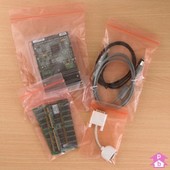
Grippa bags suit busy packing lines because the closure is fast, predictable, and does not rely on heat sealing or additional tape. That matters when small parts are being counted, checked, or added into kits, since a tidy snap shut retains items from spilling across the bench and slowing the operatour down. The bag also assists retain dust and loose debris away from the contents, which is useful when components must stay clean for the next stage of work. A closure that feels consistent gives staff confidence amid a rush, and that normally means less mistakes and less wasted motion.
Minigrip bags retain material offcuts and swatch parts below control by giving small samples a fixed place instead of letting them scatter across a workbench or vanish inside a larger tote. Clear polythene suppliers lets staff check weave, shade and stop at a glance, so there is less lifting, less handling, and less chance of frayed cut edges getting worse or static-cling synthetics sticking together. The tidy profile also assists when trays, bins, and sample drawers are being filled, because the bags stack and sit more cleanly than loose scraps. That kind of order saves time at the point of picking and reduces avoidable damage.
Self-seal bags only perform properly when the film gauge and the closure strip are matched to the contents and the method the pack is handled. A light gauge can be fine for flat, low-risk items, nevertheless it will struggle with loose tablets, small metal parts or powders that shift in transit and pull on the flap. Too much film thickness, on the other hand, adds weight and material cost without helping the job. A clean closure profile also matters because old edges make the seal harder to close again. The proper build retains packs tidy and lowers the chance of split bags at the packing bench.
Grip seal bags work optimal when the film matches the job, not only when the closure feels tidy in hand. Thin polythene suppliers with loose gauge control can split at the mouth, distort after a few open-and-close cycles, or lose its bite if the interlocking strip is poorly formed. That creates wasted labour on the packing line and more relabelling later. A steadier film with transparent seal tracks and enough puncture resistance retains contents visible, protects the write-on area, and stays usable through handling and dispatch. The proper specification also avoids overpacking, which saves space in tote boxes and on pallets, so the finished consignment arrives in better shape.
Mini grip bags need a tight film spec because even a small change in gauge can upset the packer's rhythm. When the film is also soft or the seal area is uneven, the grip strip does not close with a clean press and the bag beginnings to feel awkward at the point of use. That leads to sloppy nests, split seams and bags that cling together instead of feeding neatly from the pack or dispenser. On a fast packing line, that sort of inconsistency soon slows throughput and creates more handling damage than the bag was meant to prevent. A proper material build gives a cleaner hand-feel and retains the job moving.
Mil Self Seal Bags For Sale
Self seal bags only work well when the film grade matches the load, because a flimsy bag that splits at the fold soon creates more waste than it avoids. Gauge has to be set with care: also light and the bag risks pinholes, edge tears and weak seals, while also heavy and it becomes clumsy to occupy, close and store in bulk. The closure also requirements enough grip to stay shut, nevertheless not so much resistance that reopening damages the track or scatters contents. When the film has proper slip and behaves consistently on the line, packing transports faster and the finished stock sees tidier.
Antistatic grip seal bags rely on a consistent film grade if static control is to stay proper from one batch to the next. Small parts are often taken out, counted, checked and returned to storage, so the bag must reopen and reseal cleanly without the track becoming weak or the surface losing its stop. When the gauge drifts, the closure can sit unevenly and staff stop up reworking bags that ought to have passed straight through the packing line. A proper specification retains handling smooth and reduces the risk of parts being delayed by a faulty seal.
It's a WRAP - report finds self-seal bags are a winner with consumers
A March 2013 report by the Waste & Resources Action Programme (WRAP), a government-funded not-for-profit company tasked with increasing recycling and reducing waste, found that consumers are in favour of re-closable packs.
The paper, entitled 'Consumer Attitudes to Food Waste and Food Packaging', reported that consumers viewed re-closable packs as the most useful packaging innovation available to them.
Presented with 13 "recent changes to food packaging" and asked to choose up to four that "are/would be most useful", 56% of respondents chose re-sealable packaging.
The report also found that, when presented with two cheeses - one packaged in a resealable pack and the other in a non-resealable pack - two-thirds (67%) of consumers chose the resealable option. Their reasons for the choice were as follows:
- The top reason for choosing either option was a preference for how the packaging looked (18% mentioning this for the normal pack, 33% for the re-closable pack).
- Of those who chose the re-closable pack, 20% said they did so for exactly that reason (despite the fact the text was not enlarged in any way, i.e. they recognised or were looking for this functionality).
Source: Consumer Attitudes to Food Waste and Food Packaging - WRAP, March 2013
Top 5 practical uses for self-seal bags
- Save time at airport security by buying yourself a clear self-seal bag and arranging your toiletries for your hand luggage before you set off for the airport. Watch with a smug grin on your face while other passengers lose their place in the queue as you waltz by
- Take a self-seal bag on your trip to the beach, swimming pool or fun park (one with water rides) and use it keep your camera and other valuables waterproof while you're all having a whale of a time splashing about in the water
- Staying on the theme of water, large self-seal bags are a great way to keep your wet swimming costume and towel away from your dry clothes after a trip to the swimming pool or the beach. If big enough, you could even use the same bag as that used to keep your valuables dry - just make sure you've taken them out of the bag first!
- Chop up your half-time orange wedges before the big match and stick them in a self-seal bag before putting them into your kit bag. This will leave you free to concentrate on the half time team talk, rather than worrying about chopping up oranges on the touchline, plus it will keep your kit free from orange juice!
- For all you chefs out there, your self-seal bag is a handy tool in the kitchen. Use it to shake up the ingredients for a delicious salad dressing, or do the same for a marinade before adding the meat or fish straight to the bag. This same technique can be applied to dry coatings (e.g. breadcrumbs, fajita spice mix) provided your self-seal bag is clean and dry!